Book Tickets
The Michelin Guide has already announced its 2026 winners, and Barcelona is cementing its culinary leadership with two new restaurants entering the guide and three establishments rising to a second star. Beyond the city, La Boscana, in Bellvís (Lleida), completes the Catalan picture with two stars. All six showcase unique ways of understanding signature cuisine, with strong leadership and a clear creative drive.
Enigma, a sensory journey with elBulli DNA
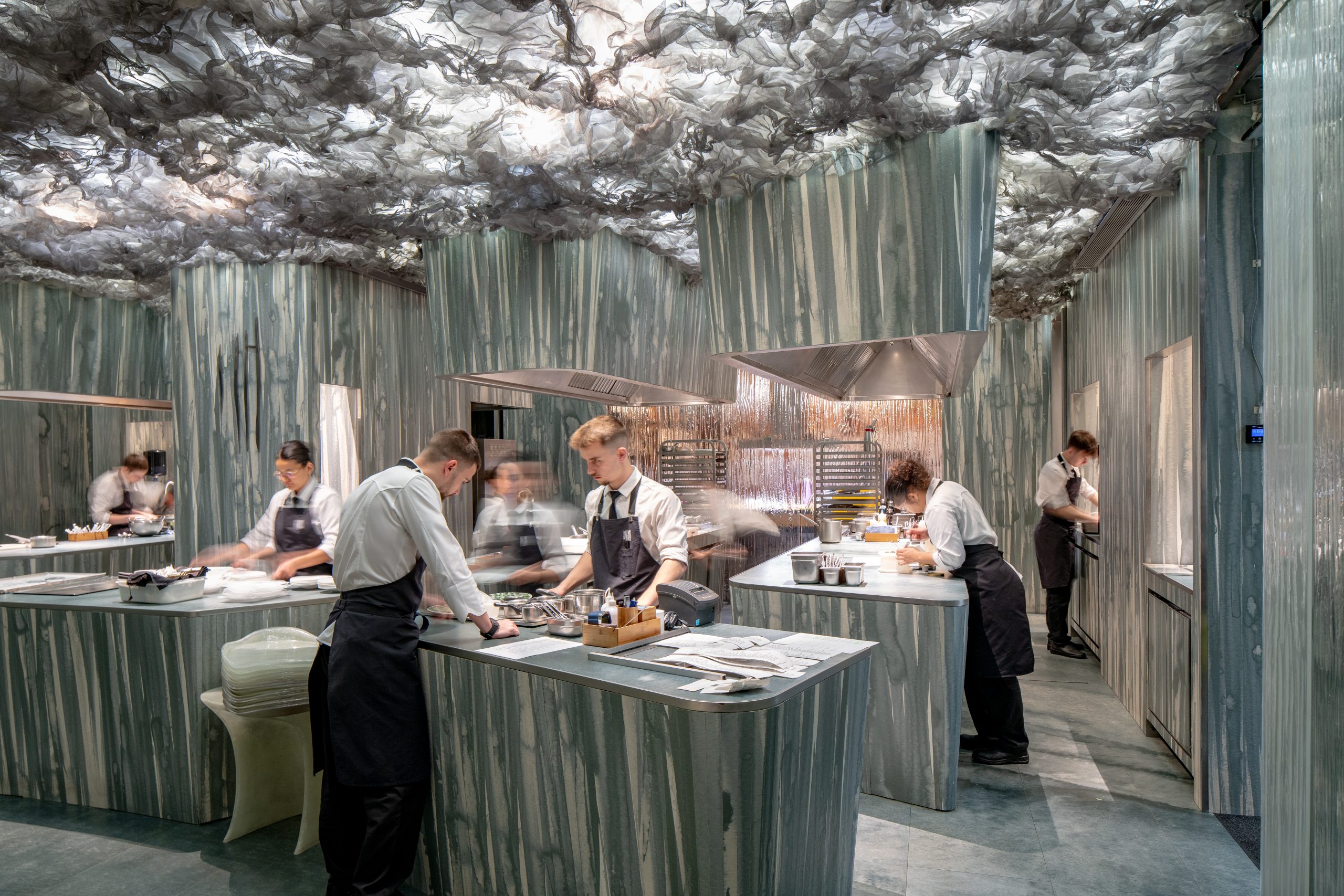
Albert Adrià’s most personal project has earned its second star and is now firmly established as one of the city’s most influential restaurants. At Enigma, every detail – from the architectural layout to the pace of service – is designed to spark emotion and surprise. The 25-course tasting menu evokes the spirit of elBulli and transforms it into a contemporary experience full of theatricality and precision (Sepúlveda, 38–40).
Mont Bar, haute cuisine dressed as tapas
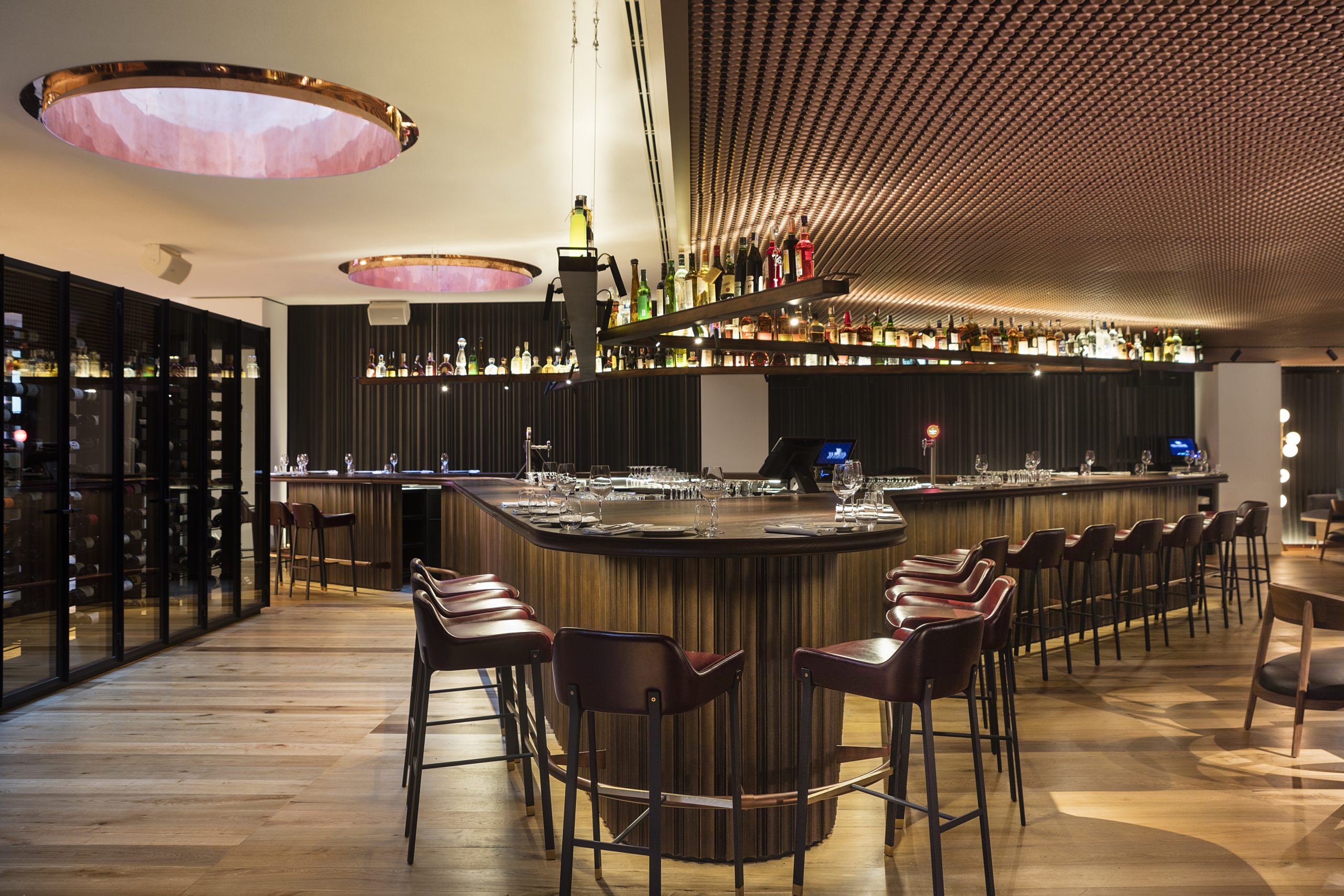
What began as a gastrobar is today one of Barcelona’s most solid gastronomic temples. Led by Fran Agudo, Mont Bar offers playful, meticulously crafted cuisine where creativity and execution go hand in hand. The sobrasada and Mahón cheese mochi or the sea cucumbers “carbonara” are far more than surprising dishes: they are small pieces of gastronomic ingenuity with a distinctly Mediterranean soul. The second star acknowledges the excellence of a hybrid format that defies labels (Diputació, 220).
Aleia, contemporary creativity in a modernist setting
Located in the iconic Casa Fuster, Aleia is the result of the close partnership between Paulo Airaudo and Rafa de Bedoya, who champion a contemporary, highly refined style of cuisine. The tasting menu, discreet yet precise, conveys an understated elegance that shuns noise and focuses on product and harmony. The second star confirms the value of balance and serene gastronomic expression (Passeig de Gràcia, 132).
Kamikaze, an irreverent ode to Asian–Mediterranean fusion
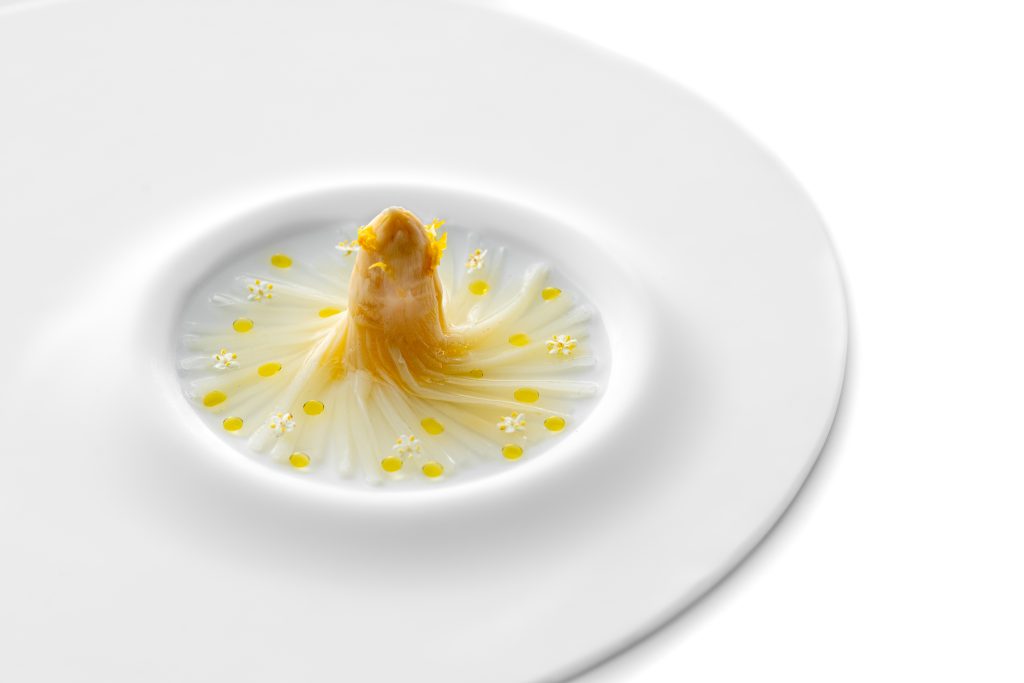
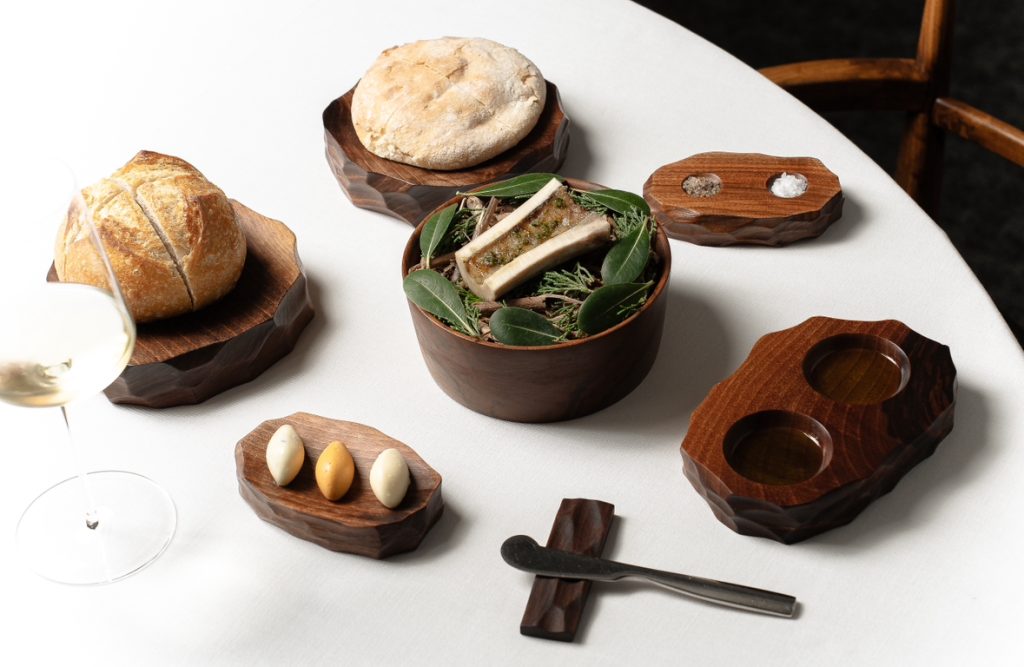
In a small Eixample venue, young chef Enric Buendía delivers a bold, powerful proposal where Japan and the Mediterranean engage in an unfiltered dialogue. At Kamikaze, Catalan mochi with sea urchin, pandan prawn or asparagus with miso and strawberry reveal a hybrid, daring personality full of identity. Its first star recognises a cuisine that breaks codes without ever losing coherence or technical rigour (Rosselló, 197).
Scapar, an omakase with soul
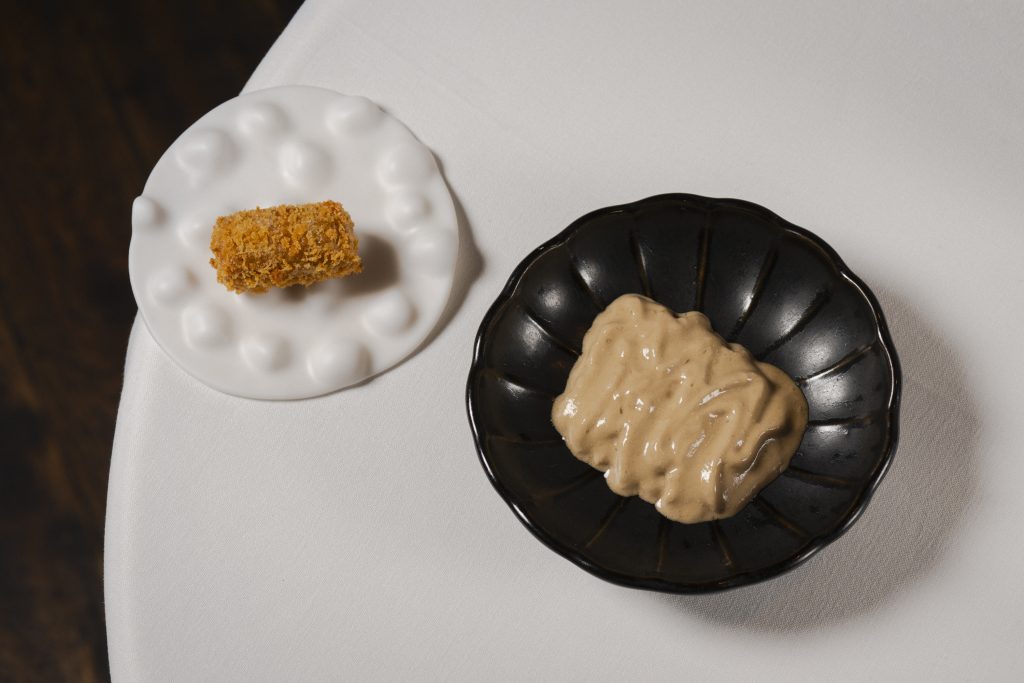
With just a counter and the chef’s own voice as guiding thread, Koichi Kuwabara offers at Scapar an intimate, time-bound and radically honest experience. Trained at Dos Palillos, Kuwabara blends the kaiseki spirit with local ingredients and a stripped-back, unpretentious staging. Every dish is explained, listened to and served with the sensitivity of a master who believes cooking is a form of cultural transmission. Its star rewards the beauty of silence and precision (Rector Ubach, 53).
La Boscana, a new star in Lleida
Set in natural surroundings that seem designed for contemplation, Joel Castanyé shapes at La Boscana a proposal that fuses lush garden scenery with a cuisine rooted in rural identity. The garden, the pond, the dining room and the plate all form part of a single choreography where local produce and family narrative weigh as much as technique. With this second star, the Bellvís restaurant shines a light on the value of territorial cuisine and sincere emotion (Carretera Bell-lloc d’Urgell, Bellvís).
Space for accessible talent too
Beyond the stars, the 2026 Michelin Guide also highlights another essential side of the gastronomic scene: honest, locally sourced cooking at moderate prices. In this edition, five Catalan restaurants join the Bib Gourmand category, a distinction that rewards establishments with great value for money and a warm, approachable spirit.
In Barcelona, new additions include Bardeni Caldeni, the veteran meat-focused space run by chef Dani Lechuga, where the grill and the product sit at the heart of the story (València, 454); Glug, a young and spontaneous project led by Iván García and Beatrice Casella, with globally inspired cooking and a contemporary bistro atmosphere (Viladomat, 289); and Oníric, a restaurant run by Jonatan Izquierdo and Laura Humanes with a poetic mindset, committed to creative, plant-forward cuisine and a short but carefully curated menu (Rabassa, 37).
Outside the capital, the guide welcomes Urbisol, the restaurant of the hotel of the same name in Calders, offering modern, rooted and accessible mountain cuisine surrounded by nature (Carretera N-141 C, Calders); and L’Hostal de Ca l’Enric, a cosy, family-run proposal that keeps the tradition of good food alive in La Garrotxa, with slow-cooked dishes deeply tied to the land (Carretera Camprodon N-260, La Vall de Bianya).
A cuisine that reflects, moves and projects the city
From the theatricality of Enigma to the introspection of Scapar, via the fusion of identities at Kamikaze, the serene expression of Aleia, the playful sophistication of Mont Bar and the landscape–emotion connection of La Boscana, all the restaurants recognised share a common thread: a personal vision, a distinctive voice and a firm commitment to technical and narrative excellence.
This new wave of stars confirms that Barcelona is not only a city of prestigious kitchens, but also of projects that think about, question and reinterpret the role of gastronomy as a cultural language. The 2026 Michelin Guide merely certifies what the city has been cooking up for some time: talent, coherence and character.